UF Institute of Food and Agricultural Sciences logo
Give      University of Florida
Resources
    Toggle Search Form
    GIVE UNIVERSITY OF FLORIDA
    • HOME
    • About Us
          • About Us
          • Contact
          • People
          • Seminars & Events
          • Department Forms & Resources
        •  
    • Research
          • Research Labs
          • Research Publications
        •  
    • Undergraduate
          • On Campus
          • Online
        •  
    • Master's & Graduate Certificates
          • M.S. Medical Microbiology and Biochemistry
          • M.S. Microbiome in Health and Disease
          • Medical Microbiology Certificate
          • Microbiome and Health Certificate
          • Clinical Laboratory Microbiologist Certificate
          • Environmental Microbiology Certificate
          • Non-Degree Graduate Courses
        •  
    • Doctoral
          • On Campus Ph.D.
          • Distance Ph.D.
        •  
    • Student Resources & Advising
          • Academic Advising
          • Admission Requirements
          • Registration
          • Tuition
          • Program ROI
          • Critical Dates & Deadlines
          • Course Catalog
          • FAQs
        •  
    • Apply

    Microbiology & Cell Science

    Microbiology & Cell Science

    Roesch Lab


    Microbial Ecology and Bioinformatics

    Roesch Lab


    Microbial Ecology and Bioinformatics

    Research Focus: Reading the Microbiome to Understand Health

    Can the microbes we carry, and the ones in our soils, tell us how healthy their hosts are?

    The Roesch Lab uses molecular analysis to test fundamental hypotheses in microbial ecology. Our main focus is the human microbiome, and we develop user-friendly analysis tools that help researchers find microbial biomarkers of health and disease.
    Our projects span three settings: antibiotic resistance in the gut microbiomes of preterm infants, the role of gut microbes in bone loss during spaceflight, and soil health and microbial bioproducts that help crops use fertilizer more efficiently.

    AT A GLANCE

    PRINCIPAL INVESTIGATOR
    Luiz Roesch

    ORGANISMS
    Human gut microbiota (including preterm infants), soil microbial communities

    APPROACHES
    Metagenomic sequencing, bioinformatics and custom analysis tools, antibiotic resistance gene profiling

    LOCATION
    Gainesville, FL: Main Campus

    ACCEPTING NEW STUDENTS
    N/A


    Projects


    The Gut–Bone Axis

    Bone loss is a major risk for astronauts on long missions. Ground-based studies suggest that gut microbes can worsen or protect against bone loss, and spaceflight stressors may weaken the gut's protective mucus barrier. We are working to understand these mechanisms so we can support astronaut health.

    Human Microbiome: Antibiotic Resistance in Preterm Infants

    Early-life antibiotics can have long-lasting effects on vulnerable preterm infants. We study how antibiotic exposure shapes the development of resistance in the infant gut, with the goal of more targeted strategies that improve care and long-term outcomes.

    Soil Microbiome: Healthier Soils, Smarter Fertilizer Use

    U.S. and Brazilian agriculture both depend heavily on imported fertilizers and low crop diversity. We assess soil health in both countries and develop microbial bioproducts that help plants acquire nutrients, aiming to reduce fertilizer inputs and improve nutrient-use efficiency.


    Featured Research

    • Host transcriptional signatures associated with microbial sequence signals reveal age-related decline in intestinal homeostasis

      To characterize age-associated alterations in intestinal barrier homeostasis by integrating host transcriptomic profiles and mucosa-associated microbial sequence signals recovered from human colonic biopsy RNA-seq datasets.

      Read the full publication

    • Long-read metagenomics reveals microbial taxonomic and functional disruptions after fumigation in Florida potato soils

      Soil fumigation and phosphorus (P) fertilization are widely used in potato production systems to secure yield, yet their combined effects on soil microbial function and nutrient-use efficiency remain poorly understood. We conducted a field experiment integrating long-read metagenomics with agronomic measurements across four key time points, from pre-fumigation to tuberization, under five P fertilizer rates in sandy soils of Northeast Florida. Fumigation with 1,3-dichloropropene was associated with significant shifts in bacterial and fungal communities. Those shifts were followed by an incomplete recovery observed 62 days after fumigation. Fumigation was also associated with an increase in bacterial alpha diversity, primarily by suppressing dominant, ecologically important taxa such as Bradyrhizobium. Metagenomic analysis showed that fumigation was significantly associated with depletion of gene sets involved in nitrogen acquisition, colonization, competitive exclusion, and phytohormone production, and enrichment of genes associated with plant cell wall degradation, suggesting a shift in plant–microbe interactions. Genes used as indicators of soil health also shifted, with arylsulfatase declining and β-glucosidase increasing, reflecting altered nutrient-cycling potential. Despite increasing soil P availability, higher P fertilization did not enhance yield, P uptake, or P use efficiency, suggesting that fumigation may be associated with disruption of microbial nutrient-cycling functions affecting the crop's ability to convert fertilizer inputs into productive growth. The yield response showed diminishing returns at higher P rates. Overall, our results suggest that fumigation was associated with shifts in soil microbial communities and in the biological pathways underlying fertilizer efficiency, highlighting a trade-off between pest control and sustainable nutrient management in intensive potato systems.

      Read the full publication

    • Explore more research from Luiz Roesch

      Luiz Roesch on Google Scholar


    Lab Members

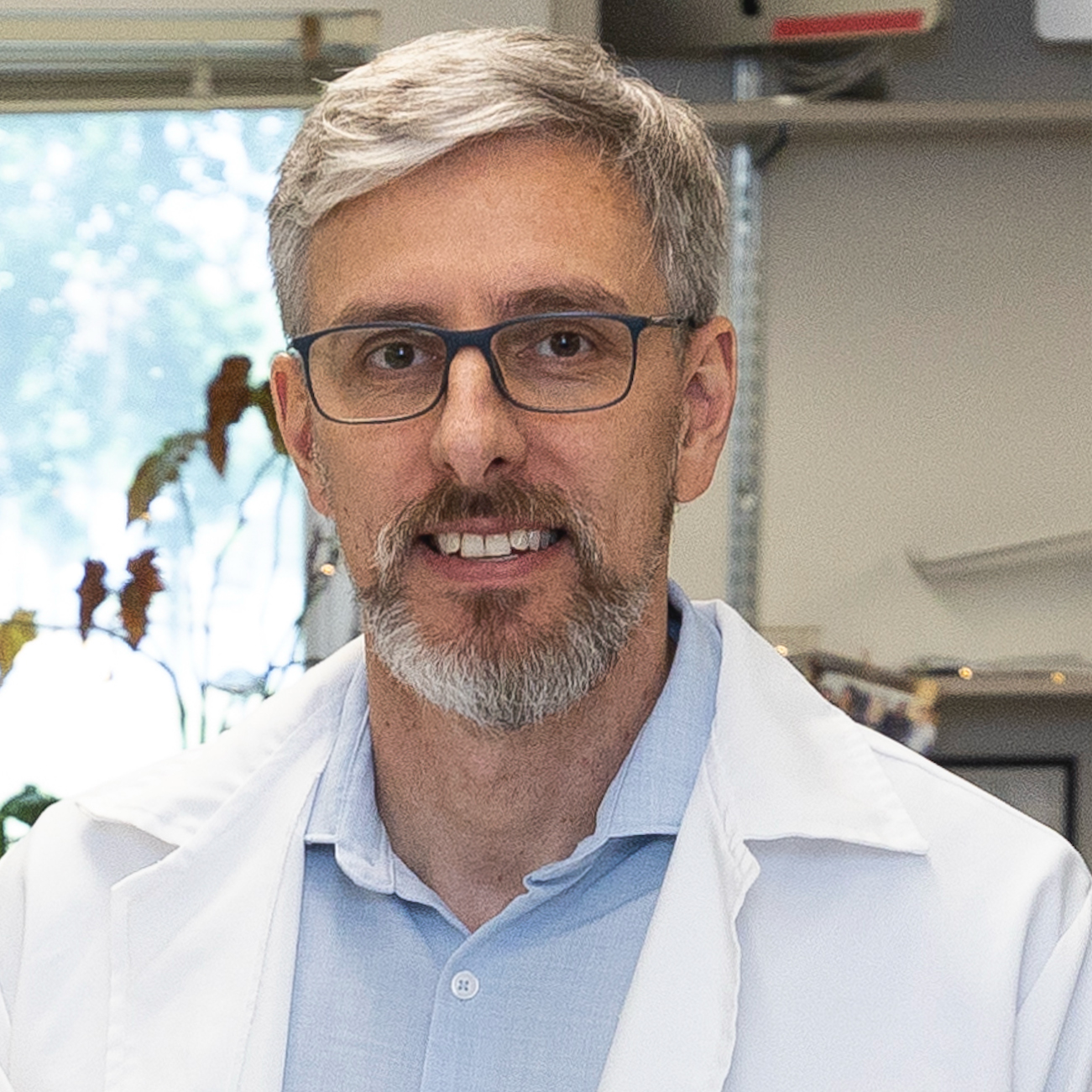
    Luiz Roesch, Ph.D.

    Luiz Roesch, Ph.D.

    Associate Professor


    University of Florida Logo
    Contact

    Feedback
    Microbiology & Cell Science Department
    1355 Museum Dr. Gainesville, FL, 32611 Building 981 P.O. Box 110700 Gainesville, FL 32611-0180
    (352) 392-1906

    Land Grant Mission
    • Teaching
    • Research
    • Extension
    Information
    • Ask IFAS (EDIS)
    • UF/IFAS Experts
    • UF/IFAS Blogs
    • UF/IFAS Bookstore
    • Careers
    Policy
    • Accessible UF
    • EEO Statement
    • IFAS Web Policy
    • SSN & UF Privacy
    • Analytics (Google Privacy)

    © 2025 University of Florida, IFAS Last Modified:Fri, 20 Nov 2026 11:33:51 EST